

7 Days is a weekly roundup of picks of what’s been happening in the world of technology – written with a dash of humor, a hint of exasperation, and an endless supply of (black) coffee.
This year, we started our Apple Rewind series to give you a monthly scoop of everything related to the Cupertino giant. But there’s much more happening in the technology world beyond Apple’s walled garden. We thought, why not bring back our good old series to give you a weekly dose of tech?
Say hi to “7 Days”, which is back on track after years of no show. This week was full of tech drama, a platter of juicy announcements, a dash of controversy, and rumors about the upcoming foldable iPhone. Come on, Apple, it’s been ages. Anyway, let’s get started.
Long live Adobe Animate
Adobe might have assumed it would get away with it, but creators and animation professionals united against the company after it announced the demise of Adobe Animate. The popular 2D animation software has been around for 30 years and remains an important driver of creative projects.
The company didn’t take long to begin damage control and announced that Animate will remain in Maintenance mode.
Loose lips sink ships
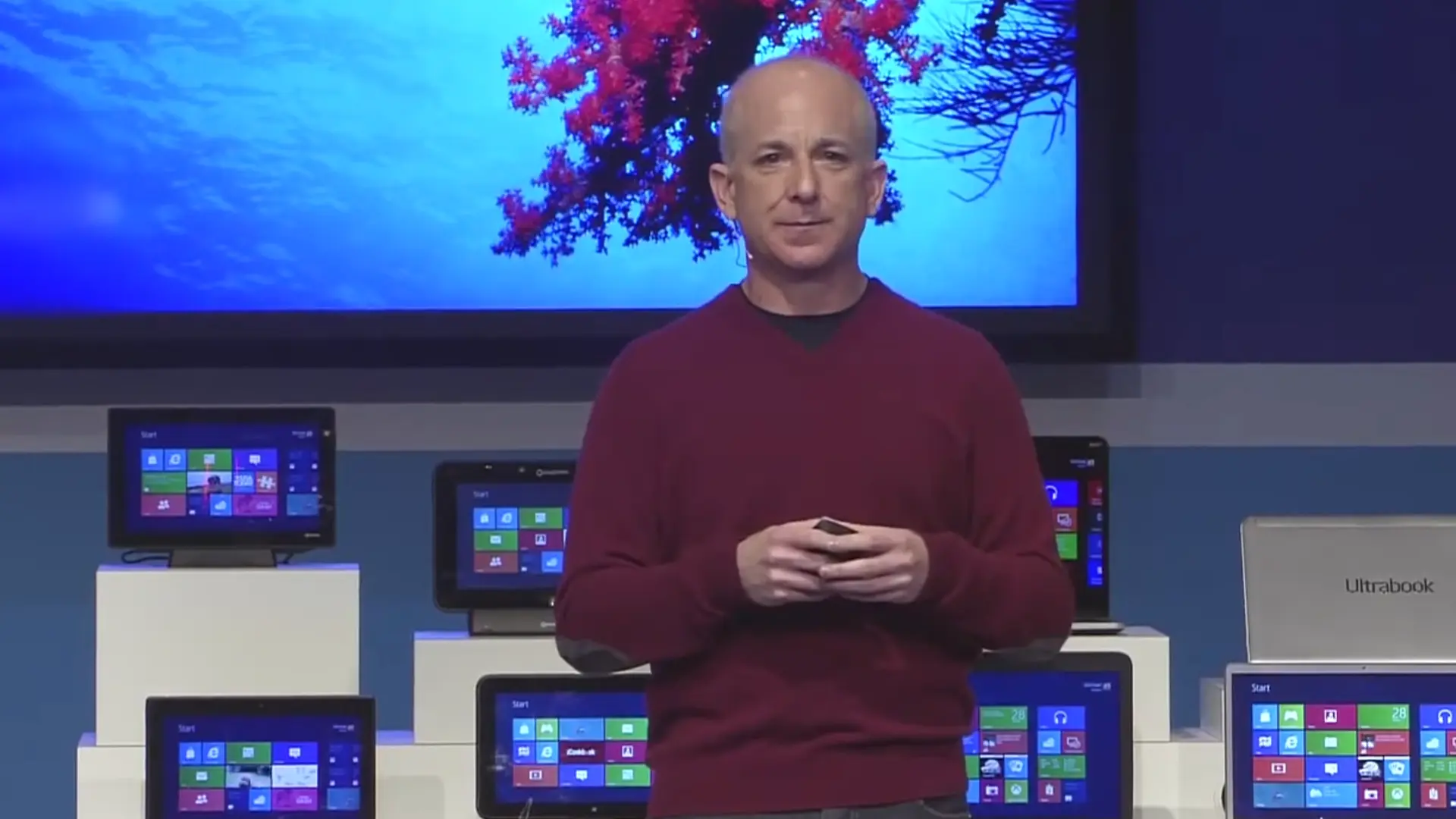
The name Jeffrey Epstein is all over the place because the convicted sex offender had ties with numerous high-profile individuals. However, something raised the Windows community’s eyebrows. Documents released by the Department of Justice revealed that Microsoft’s former Windows chief, Steven Sinofsky, was in extensive contact with Epstein.
Sinofsky, who was a potential CEO before his departure in 2012, shared confidential internal information over email, including real-time sales data, manufacturing projections, and retailer margin structures. He reportedly received advice from the financier to pursue a $20 million retirement package.
We got Spotify selling books before GTA 6

Spotify is doing whatever it can to stay in your good books, literally, this time. From audiobooks, podcasts to direct messages, Spotify is now selling books in partnership with Bookshop.org to go old school. Moreover, its app has got the powers to sync your current page to the audio version.
Upgrading its lyrics game, Spotify rolled out lyrics translation worldwide for all Free and Premium users. However, Premium subscribers also get the lyrics tagged along when they make a song offline in the app.
The streaming giant launched a new “About the song” feature in beta for select users, providing swipeable story cards with behind-the-scenes details. Its fresh rules for developers now require premium accounts for developer mode API access.
Google Meet x MS Teams

Google and Microsoft might be rivals, but they know creating platforms that don’t work in harmony isn’t a good idea. The search giant announced that Google Meet and Teams are now interoperable, meaning you can join a Meet call from Teams and vice versa. However, the story comes with an asterisk: only a limited number of devices are currently supported.
There is more on the roadmap for Teams users. Soon, Microsoft will give users the option to hide the entire meeting control toolbar to free up extra screen real estate during meetings. The Redmond giant also made Viva Engage communities available directly inside Teams.
You can read about all the new features Microsoft added to Teams in January 2026.
What’s your battery?
System76’s open-source desktop environment, COSMIC Desktop, now includes a new option to display the battery percentage directly in the panel. COSMIC 1.0.5 also introduced drag-and-drop support to its Files app, and it only shows the “Open” button when you select something that the system can actually open.
Tax-free data centers

Data centers are the backbone of the modern internet. AI products and services are becoming popular, and we are seeing more data centers than ever. The Indian government has announced a sweeping tax holiday for foreign data center operators serving customers outside the country.
This essentially means that demanding workloads such as training AI models, inference, and serving customers outside India would become tax-free. However, the foreign giants must route services for Indian customers through a local reseller entity, which will be taxed as usual.
The biggest data centers in the world

Ivan Jenic took some time out this week to find out the biggest AI data centers in the US owned by Big Tech and curated them into a Top 10 list. The top spot is held by Google’s Columbus Cluster in Ohio. Home to Gemini models, it has a total power capacity of 1 gigawatt to support hundreds of thousands of TPUs.
That said, a hard pill to swallow is that AI is slowly replacing conventional web. Ivan’s interesting editorial piece discusses how Google’s AI Overviews is killing web search, noting that the click-through rates for top ranking websites have dropped by 58%.
TikTok is again in hot water

The short video platform TikTok is already at the center of significant legal drama, with ongoing threats of a ban in the US. Now, lawmakers in Europe are targeting the social media giant in a new legal battle. It’s been reported that several of TikTok’s core features are intentionally designed to be “addictive.”
Everything comes at a price

It’s not new for users to make efforts to access premium features for free. And sometimes, companies unintentionally make it easier by leaving loopholes. That’s what happened with YouTube Premium: free users used third-party browsers and extensions to trick it into playing videos in the background. But YouTube said it “updated the experience” to make sure freeloaders aren’t enjoying premium benefits.
YouTube’s AI-powered automatic dubbing feature is now available to everyone with some new upgrades. It’s testing a new Lip Sync feature for AI dubbing to make it sound more natural.
The AI kill switch
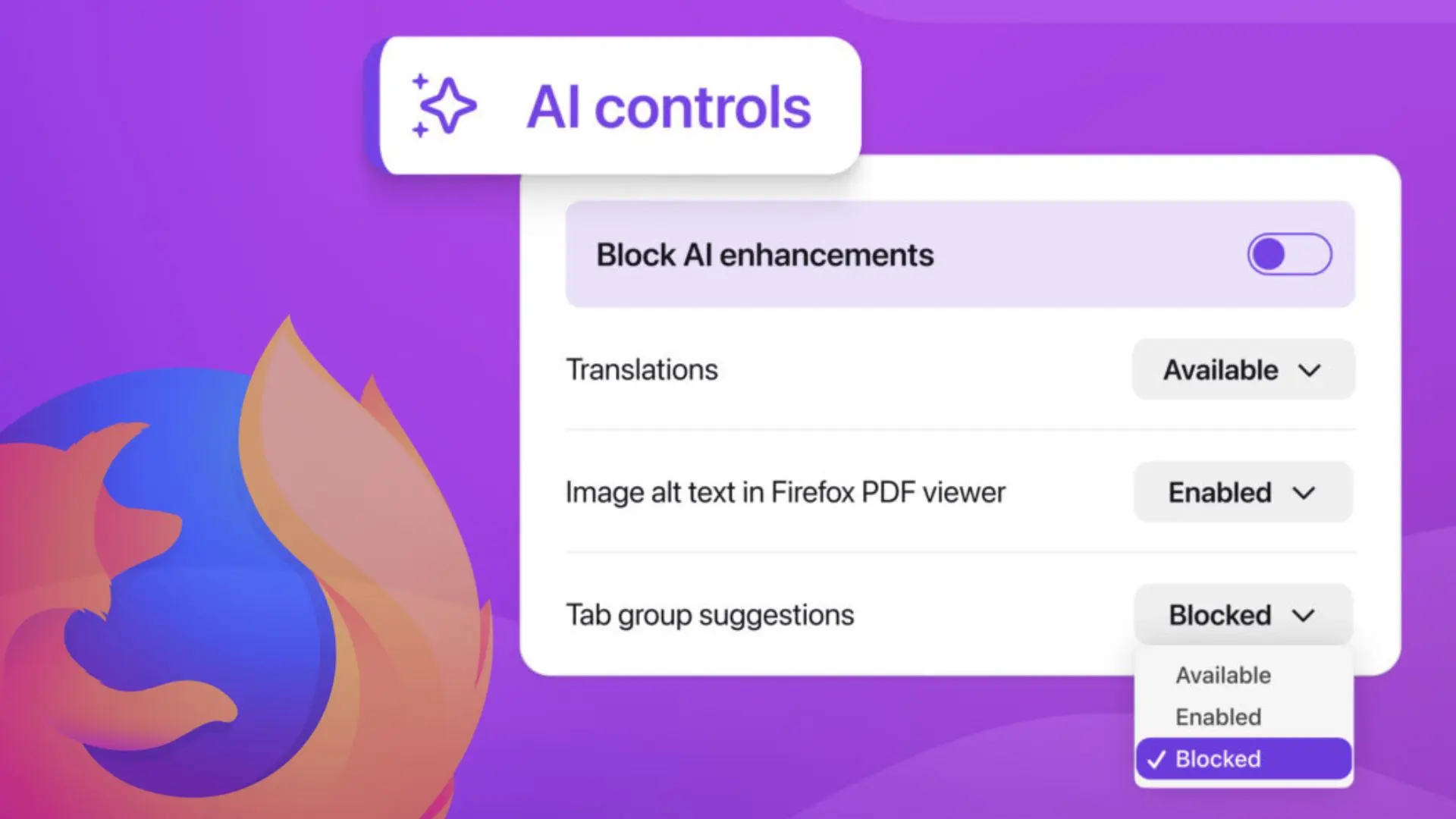
AI is everywhere, and web browsers aren’t spared. While Google Chrome is the unofficial flag bearer for AI features, Mozilla Firefox also offers several. But Mozilla realized AI may not be everyone’s cup of tea yet and decided to add a single button (Firefox 148 Beta 11) to disable all of its generative AI features.
Firefox 147.0.3 was also released last week, with fixes for broken UI on Windows, buggy pop-ups, and context menus on Linux. Speaking of others, Vivaldi 7.8 was released for Android and iOS, featuring pinned tabs and private search.
Apple’s foldable iPhone might remind you of the iPhone mini

It’s been forever since Apple has been working on the foldable iPhone when Samsung has been in the game for over six years. Latest rumors shed more light on the iPhone Fold’s physical features, suggesting it could resemble an iPhone mini that unfolds to become an iPad mini.
It will have a Touch ID sensor on the power button, located on the right side of the device alongside the Camera Control button. However, the volume buttons will be on the top rather than the left.
In other news, Apple released Xcode 26.3, which supports coding agents such as OpenAI Codex and Claude for writing and editing in Swift. These agents can understand context, plan multi-step tasks, and execute them.
Our Apple Rewind January edition highlights several additional announcements from Apple, featuring the AirTag 2 and some new competition for Adobe.
It’s bezness

Google’s parent Alphabet made a lot of money in its previous quarter that ended on December 31, 2025. Its cloud division became the showstopper, with quarterly revenue reaching $17.7 billion. Gemini, Search, and other businesses further helped Alphabet surpass $400 billion in annual revenue. The search giant’s consumer services, including Google One and YouTube Premium, have more than 325 million paid subscribers.
OpenAI gets a new frontier

The ChatGPT-maker launched a new enterprise platform this week to build, deploy, and manage AI agents, called Frontier. These AI agents will have shared context, onboarding, hands-on learning with feedback, and clear permissions and boundaries.
Alongside Apple’s Xcode support, OpenAI launched a freshly-baked Codex app for macOS, giving a UI-based alternative to people who relied on the command-line interface to use the ChatGPT-powered code editing tool. Also released this week is GPT-5.3-Codex, OpenAI’s most capable agentic coding model to date.
JetBrains says goodbye to X11
Speaking of IDE’s, JetBrains announced that its IntelliJ-based IDEs will automatically run natively on Wayland in supported desktop environments, starting with the 2026.1 Early Access Program (EAP) releases.
It wasn’t a pinky promise

Some drama unfolded earlier this week. NVIDIA CEO Jensen Huang stated that the company has no obligation to invest in OpenAI. This came after OpenAI announced last year that NVIDIA plans to invest $100 million over time, allowing the AI giant to deploy at least 10 gigawatts of AI data centers powered by millions of NVIDIA chips.
However, Huang told the reporters that OpenAI “invited us to invest up to $100 billion, and of course, we were, we were very happy and honored that they invited us, but we will invest one step at a time.”
Don’t blame us

NVIDIA had its share of issues related to recent Windows 11 updates. Users reported performance drops, black screens, graphical artifacts, and other issues during gameplay on NVIDIA’s forums. While the company sought solutions, it said the January 2026 Patch Tuesday update (KB5074109) could be the culprit and recommended that users uninstall it.
Elon Musk buys his own company

Both SpaceX and xAI were founded by the world’s richest man, Elon Musk, who decided to consolidate his businesses. SpaceX bought xAI in an all-stock transaction that values the combined company at $1.25 trillion.
Musk called it the “most ambitious, vertically-integrated innovation engine on (and off) Earth.” But the tech mogul is also vocal about the belief that money can’t happiness.
Whoever said “money can’t buy happiness” really knew what they were talking about 😔
— Elon Musk (@elonmusk) February 5, 2026
Here’s some more AI news that came out over the week:
Social media where only bots are allowed

Evil malicious bots have always been a menace on the web and the rise of AI has only made them more sophisticated. But what if we create a virtual habitat where only bots are allowed to interact with each other
Moltbook is a social media platform that does exactly that, and humans are only allowed the be there as observers. It’s like Reddit, but for AI agents, which can post “submolts.” However, the Moltbook story took a wrong turn when a security researcher found that Moltbook lacks basic rate limiting, potentially opening doors for someone to create an absurd number of accounts.
Researchers, who managed to hack into the platform, found that Moltbook exposed thousands of emails and over 1.5 million API keys. The platform’s creator Octane AI CEO Matt Schlicht, has said on record that he relied on AI for its coding and “did not write one line of code.”
Done with yelling “Hey, Google”
Google has been refining its smart home app after facing backlash a while ago. The latest Google Home update brings support for smart programmable buttons. Something that’s already available on other smart home platforms such as Apple Home, Amazon Alexa, and Samsung SmartThings.
These are physical buttons that support various functions, including starter only, covering single, multi-press, long press, and long press release.
In other smart home news, Ring has expanded its Search Party feature to help find lost dogs. You can use the service to find your furry friend even if you don’t have a Ring camera after filing a lost pet report through the Ring app.
Easy as pie, sky high

Soaring memory prices aren’t sparing the Raspberry Pi. That’s why the Raspberry Pi Foundation announced another price hike for its single-board computers, including Raspberry Pi 4/5 and Compute Module 4/5. For instance, 16GB models saw a $60 surge, pushing the Raspberry Pi 5 beyond $200.
Whisper-quiet experience

CHUWI announced its new mini PC, the AuBox X1, promising a whisper-quiet experience. It’s powered by the Intel Core Ultra 5 226V Lunar Lake processor, 16GB LPDDR5X RAM, and a 512GB PCIe Gen3 SSD.
It qualifies as a Copilot+ PC, giving you access to local AI-powered features such as Recall, Windows Studio Effects, semantic search, and more. CHUWI said that AuBox X1 will cost between $600 and $700 when it arrives in March 2026.
Better late than never
LibreOffice 26.2 arrived this week with several long-awaited features. It brings automatic JSON and XML mapping to spreadsheets, along with full Markdown support, and enhanced multi-user capabilities for Base databases.
Neowin’s 2025 Readerboard

We published the results of our year-long fun polls asking Neowin forum members about the types of hardware and software they use. For instance, AMD led the way, with 54.55% of respondents selecting it as their preferred desktop CPU vendor.
What happened at Microsoft this week

Our most trending Microsoft stories this week were about Windows. January 2026 was a disastrous month for the company, and issues with recent updates prevented Windows PCs from shutting down.
You should consider installing the recent non-security update (KB5074105) if you have been experiencing File Explorer issues. The update addresses the issue where Explorer.exe may stop responding when you first sign in to your PC. Additionally, Microsoft released KB5074105 for Windows 11 24H2 and 25H2, providing an additional layer of security for system files.
Read Taras’ latest Microsoft Weekly roundup to catch up on the latest news from the Redmond giant.
Your data might have been exposed

Popular publishing platform Substack recently confirmed a data breach occurred in October 2025, exposing user data such as email addresses and phone numbers, but not financial information or passwords.
Substack said it has fixed the specific problem and is investing in measures to prevent future mishaps. However, it was reported that a database containing 697,313 records was leaked online.
Popular image-hosting platform Flickr was also hit by a data breach, exposing emails, location data, and other information. Flickr began notifying users about a security issue affecting one of its third-party email service providers.
Valve doesn’t have enough steam

Valve failed to reveal the pricing and launch date for its Steam hardware lineup announced last year. While the company is determined to meet its “first half of the year” launch goal, it blamed industry-wide memory shortage as the reason it can’t announce pricing and launch dates yet.
In a separate update, Valve published its Hardware & Software Survey results, noting that over 66% of its users are running Windows 11, and about 28% are still on Windows 10.
Epic Games plans launcher revamp

Epic Games, the force behind Fortnite, said it wants to deliver “long-requested features and deeper platform improvements” this year for its launcher. The company has plans to rebuild its launcher for a summer launch, involving architecture upgrades for the Epic Games Store. It also surprised users by announcing that a new cross-platform library for PC and mobile will arrive later this year.
GeForce NOW turns 6

NVIDIA is celebrating the sixth birthday of its cloud gaming service, GeForce Now, this month. The chipmaker added 24 games to its supported titles list, including the tactical first-person shooter Delta Force and the top-down PUBG spin-off, Blindspot.
You can also check out the latest Weekend PC Game Deals, featuring specials from Doom, Borderlands, STALKER, and others.
Switch is the new king

Nintendo Switch has become the company’s best selling console ever, dethroning its older sibling Nintendo DS. Year-end holiday promotions in 2025 helped the original Switch surpass the DS’s 154.02 million units sold, pushing the numbers to 155.37 million units.
What’s on Xbox?

AMD CEO Lisa Su gave people some tea on the expected launch of the next-gen Xbox console. During the latest earnings call, Su said AMD’s work on a semi-custom SoC for Xbox is progressing well and that a launch could occur in 2027.
Microsoft revealed the first wave of titles for Xbox Game Pass in February, including high-profile releases like High on Life 2 and Like A Dragon: Pirate Yakuza in Hawaii.
Obsidian Entertainment wants to speed up its Xbox game development, reducing it to three- or four-year development cycles. However, the Microsoft-owned developer only has a 280-person team. It’s considering some old tricks, such as reusing previous game assets and outsourcing.
Nintendo Switch 2 is getting three major Xbox gaming titles in the coming weeks, and Xbox Free Play Days this weekend onboarded NBA 2K26, Civilization VI, and other 2K hits.
Here are some more gaming stories released throughout the week:
From the review corner
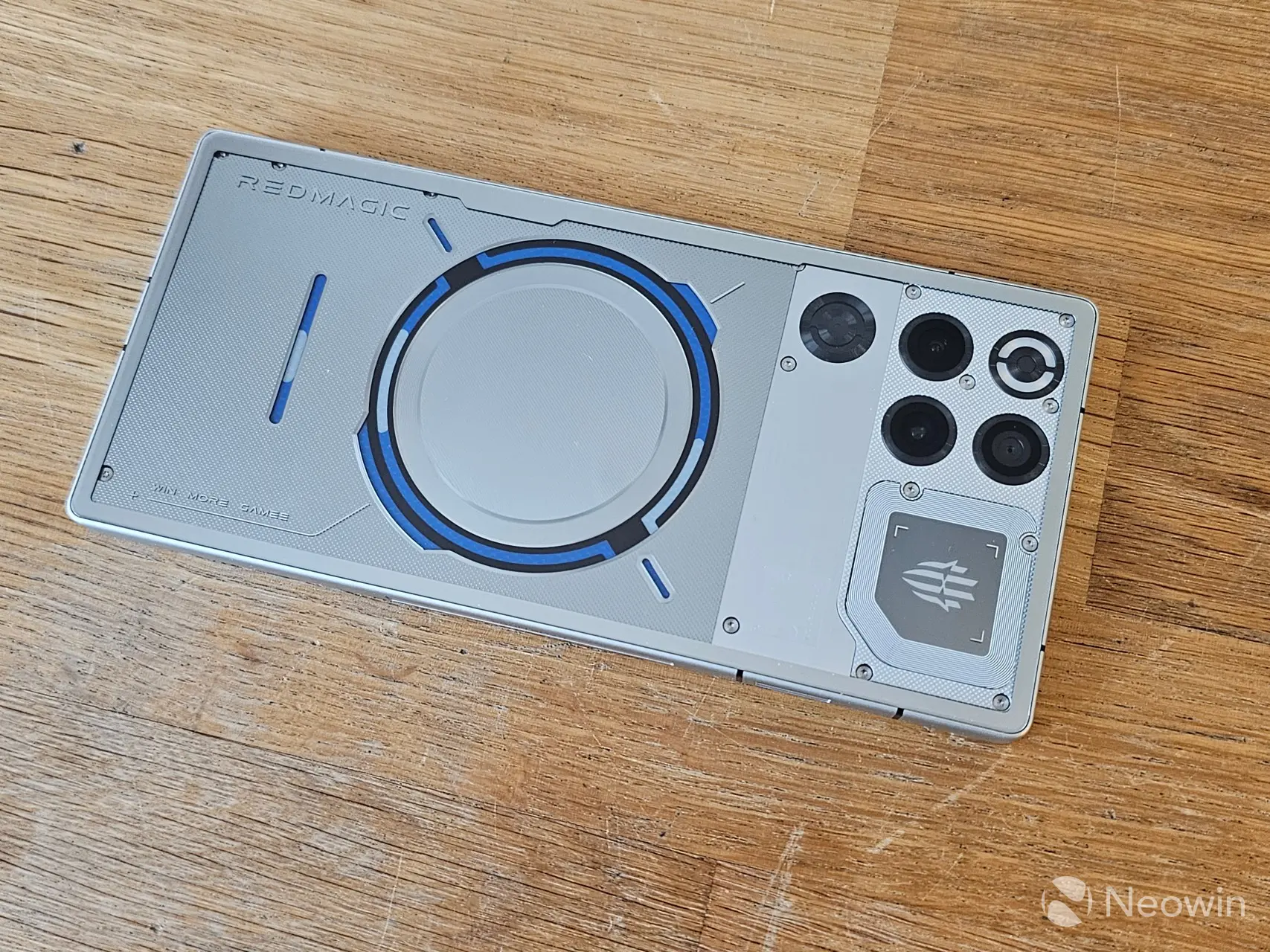
Steven published his review of the REDMAGIC 11 Pro this week, which is the spiritual successor to last year’s REDMAGIC 10S Pro. Starting at $749, the gaming-focused smartphone offers a long list of pros, including an under-display camera, a capable chip, and two-way reverse charging, but lacks an eSIM option and falls short in the overall camera experience.
Meanwhile, Pradeep’s latest testing toy was the Status Audio Pro X, which sits in the same price bracket as AirPods Pro 3 and Sony WF-1000XM5. This pair of wireless earbuds delivers excellent sound quality with good detail and bass, is comfortable enough for long listening sessions, and supports multipoint Bluetooth. However, the ANC is not as good as Apple’s or Sony’s, and battery life could be improved.
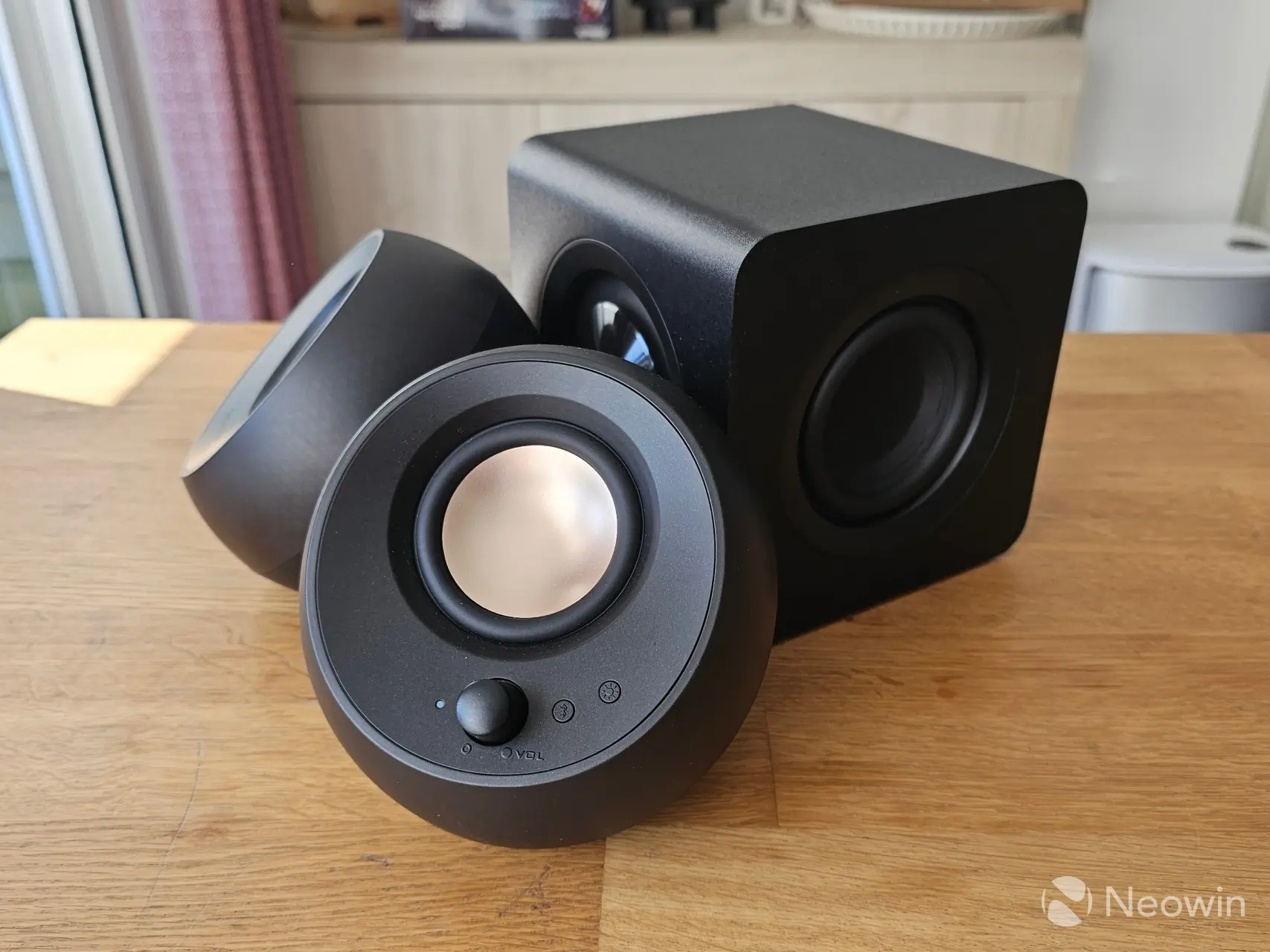
Steven also reviewed the Creative Pebble X Plus 2.1 speaker set. Creative are perhaps best known for their SoundBlaster audio cards, but they also produce speakers. So we had a chance to try this compact, but powerful set out; you can check out his review of them here.
Signing off
So, these were some of the biggest tech news and other updates from this week. There will be more issues of our 7 Days series in the coming weeks and months, so stay tuned. You can also support Neowin by registering for a free member account or subscribing to extra member benefits, along with an ad-free tier option.

